
ÍNDICE
ToggleTECHNICAL SITE ASSISTANCE AND CONSTRUCTION MONOTORING
The work of architects doesn't end with the completion of the design. We're well aware that the project has to be built, and that construction supervision and technical site assistance are essential work for a successful build.
For spacelovers, this is the most important phase of any project. Why? Quite simply, this is where ideas become matter and habitable space — and if our presence on site isn't consistent throughout construction, what gets built may end up being interpretations of the project rather than the approved and specified designs.
CONSTRUCTION MONOTORING — THE ARCHITECT/COORDINATOR’S ACTIVE PRESENCE ON SITE
Technical site assistance and construction supervision run from the very start of the works through to their completion, covering the various construction stages, with the need to follow the entire process closely.
The work carried out during technical site assistance — one of the architectural project phases — means having a member of the design team present on site to address the changes needed throughout the construction period. This ensures that any materials or systems that need to be altered are replaced without compromising the quality of the building, and in line with the preparation of amendment projects to the architectural project, or, where applicable, noting changes to be incorporated into the as-built drawings.
TECHNICAL ASSISTANCE — FUNDAMENTAL ON-SITE SUPPORT
Technical assistance on site is provided by the design authors, offering the necessary support to the client and to the various parties involved on site to ensure the project is properly understood — this being the only activity legally required of the architect, i.e., the author of the project.
However, provided they are contracted, our construction supervision and technical site assistance services may also include the following:
1 — Clarifying questions about the interpretation of the designs;
2 — Providing additional information regarding any ambiguities or omissions in the design;
3 — Reviewing technical documents submitted by the contractors and/or suppliers involved in the works;
4 — Overseeing the approval of alternative materials to those specified, which may be suggested by the selected contractor, and checking their technical compatibility;
5 — Preparing periodic reports on the status and progress of the works;
6 — Managing the process of obtaining permits, licenses, and other documentation;
7 — Supporting the client in decision-making and ensuring full compliance with contracts by the company responsible for carrying out the works.
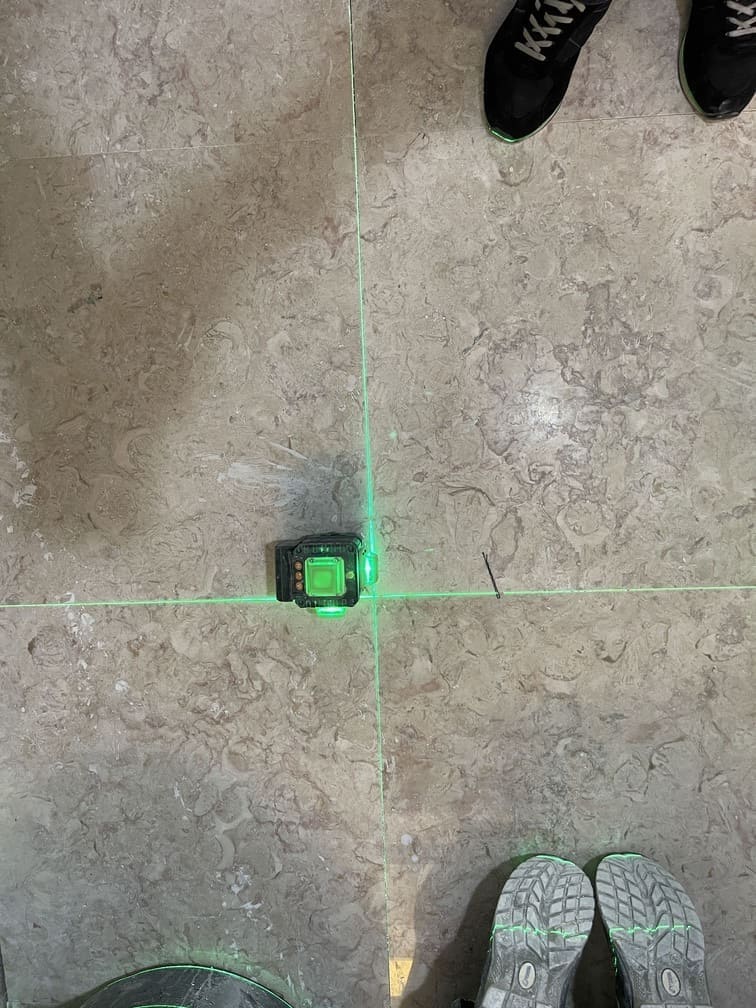
PROJECT MANAGEMENT AND CONSTRUCTION MANAGEMENT
Construction management involves several tasks and requires action across mainly two areas: technical site direction, and construction supervision.
Site direction is carried out by the technician who runs the site and directs the works themselves, with regard to the civil construction activities. Supervision is carried out by companies specialized in construction supervision, along with technicians qualified for the specific project in question. Each professional therefore has distinct responsibilities, yet they are directly interconnected, working toward the single goal of executing and completing the works safely and with quality, in accordance with the designs and in compliance with applicable standards and laws. The site technical director must have a formal link to the selected contractor carrying out the works.
Project management encompasses all the combined actions and efforts that need to be carried out, in a specific sequential order, enabling a construction project to move from its initial concept through to the finished, delivered building. This requires a set of technical knowledge and skills that ensure the process can be executed, planned, and managed in a way that guarantees the completion of the entire process and the desired outcome.
CONTACT US
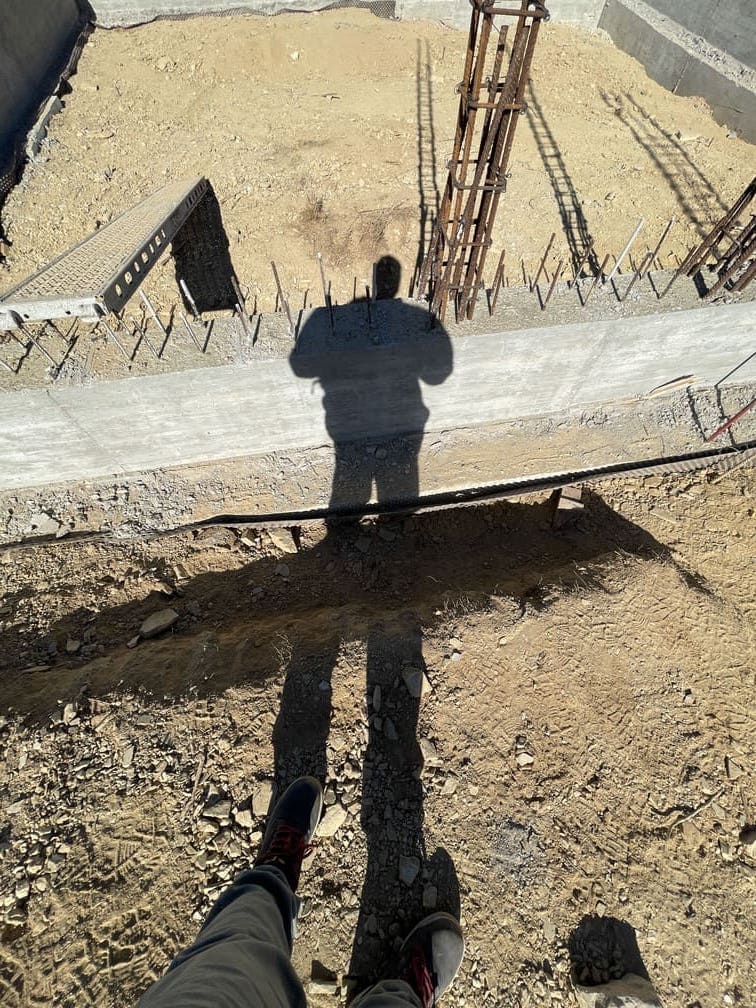
REASONS WHY TECHNICAL ASSISTANCE ON SITE MATTERS
Site supervision and technical assistance are not mere formalities, as is often said. This on-site presence plays an important role in ensuring the quality of the project's execution.
Situations that could otherwise be avoided with consistent, effective supervision often arise, such as:
— Water infiltration, due to a lack of understanding of the detail design, or its absence, resulting in a lack of detailing on site, or even from unauthorized changes to the designs;
— Low-quality materials, often suggested by the contractor to cut costs, whose performance and quality can compromise the overall quality and behavior of the construction;
— Repeated non-compliance with approved designs: changes made on site are situations that should be closely monitored by the design authors, as they are the technicians with the knowledge of the project approval process and can clarify whether certain changes would be incompatible with maintaining approval;
— Budgets constantly revised upward, which often result in the works not being completed. It's during the construction execution phase that the biggest problems arise, causing the overall project budget to overrun. This is more likely to happen whenever the contracted budgets are incomplete. To avoid potential overruns, unadvisable solutions are sometimes adopted — and because these aren't planned for in advance, they end up making the works take longer and lowering their quality.
The clear absence of an execution project tends to cause this situation, where, in order to keep the construction moving, requirements end up not being met, or alternatively, certain parts are left unexecuted or materials and equipment are downgraded. This can eventually make it difficult to secure the necessary certifications and permits at the end of the works.
On site, one has to be rigorous and demanding, but also a good listener and able to anticipate problems, to ensure the works are carried out smoothly and that any changes don't interfere with other future stages of the project.

LEGAL FRAMEWORK GOVERNING THE PROFESSIONAL QUALIFICATION OF DESIGN AUTHORS
The parties defined under Law No. 31/2009 of 3 July as essential to the execution of construction works are:
Client (Dono da obra): the entity on whose behalf the works are carried out (...) as well as any person or entity that commissions the preparation of a design/project.
Design author (Autor de projeto): the technician or technicians who independently prepare and sign the architectural project, each of the engineering projects, or the landscaping project, which together make up the overall project, signing the respective declarations and terms of responsibility.
Technical assistance: the services to be provided by the design author to the client, or their representative, without prejudice to the fulfillment of any other legal or contractual obligations incumbent upon them — namely, clarifying questions regarding the interpretation of the design and its documents, providing information and clarifications to bidders and contractors exclusively through the client, and supporting the client in assessing and comparing solutions, technical documents, and proposals.
Site technical director (Diretor técnico de obra): the qualified technician responsible for ensuring the execution of the works, in compliance with the execution project and, where applicable, the conditions of the building permit or prior notification, as well as compliance with the legal and regulatory standards in force.
Construction supervision director (Diretor de fiscalização de obra): the technician, qualified under the terms of this law, responsible for verifying that the works are carried out in accordance with the execution project and, where applicable, ensuring compliance with the conditions of the permit or prior notification, as well as compliance with applicable legal and regulatory standards, and also for carrying out the responsibilities set out in the Public Procurement Code, in the context of public works.
These definitions form part of the legal framework establishing the professional qualifications required of technicians responsible for preparing and signing designs, for construction supervision, and for site direction, in cases not subject to special legislation, as well as the duties applicable to them, and the first amendment to Law No. 41/2015, of 3 June, which establishes the legal framework applicable to the construction activity — L No. 31/2009, of 3 July, as last amended by Law No. 25/2018, of 14 June.
CONTACT US
