
In short
- Location carries a lot of weight, but it is not enough: in the most sought-after places, the asking price is also higher.
- Light, ceiling height, floor areas and sun exposure show the property's potential for transformation.
- The cost of the works has to be included in the overall value of the operation.
- The condition of the building and the management of the condominium affect each unit.
- Municipal plans and site restrictions may limit what you intend to do.
- Those living abroad face additional issues (tax, documents, representation): check with a lawyer and an accountant.
- No property guarantees a result: decide with information and with the support of a lawyer and an accountant.
What is a property investment?
Property is a traditional investment option, because it is a physical asset, and it can generate returns in several ways: building to sell, renting out, renovating to sell ("fix and flip") or buying and reselling.
Like any investment, it carries risks. It depends on the circumstances of the moment, the features of the property and external factors that cause its market value to fluctuate. To understand how that value is formed, see adding value to an existing property.
Paying less gives you a margin, but only those who know what they will do to the property and how much it will cost can forecast the investment accurately.
What aims can the purchase have?
Before viewing properties, define your aim, because each one involves different costs, procedures and documentation:
- Buying to live in, permanently or for part of the year. For retirement or to prepare the home for other stages of life, see senior housing.
- Buying to rehabilitate an old property and then live in it, rent it out or sell it. See whether it is worth buying an old house to rehabilitate.
- Buying a plot of land to build from scratch. The guide to buying land explains what to check.
- Buying to rent out. The rules on residential letting and short-term rental (alojamento local) change over time: confirm the framework in force before deciding.
Do location and surroundings always count?
The city, the neighbourhood, the street and the social and cultural context determine the type of property that makes sense. When you buy a property, you also buy the place where it stands, and this is reflected in what you can rent out or sell.
A good location for one investor may not be good for another. Even so, there are places valued by almost everyone, for their centrality, accessibility, seafront or proximity to business centres.
The trade-off: sellers in these places ask high prices, which reduces margins, especially in short-term operations.
Which features of the property count?
Windows, ceiling height, floor areas, decorated ceilings, garage, views, attic, storage room, terrace, balcony, layout of the rooms, sun exposure and access: each of these can make a property special.
Some properties that are heavily partitioned and have little light have great potential once transformed. You need to train your eye and seek professional support right from the search stage. It may seem an unnecessary cost, but that is the stage at which the deal is decided.
What state of repair is the property in?
This is one of the most relevant points. A deep renovation has significant costs, and the duration of the intervention also weighs on the decision.
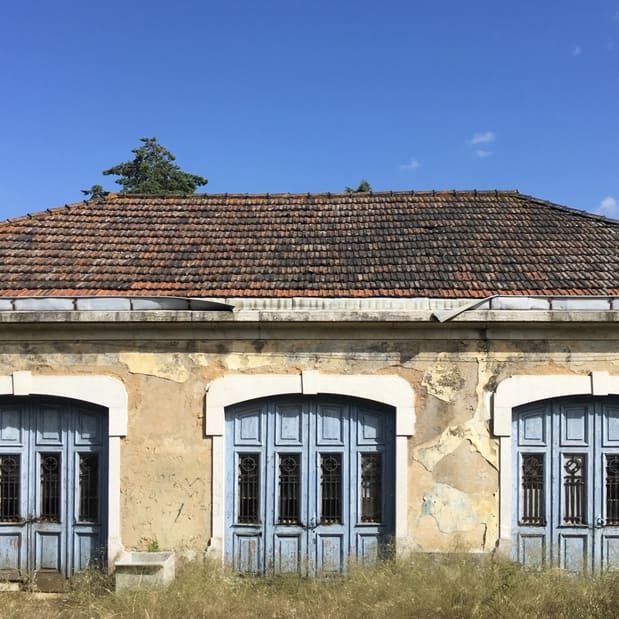
There are several levels of intervention, from a coat of paint to a complete rehabilitation. Sometimes the most degraded properties offer the greatest margin, but the cost of the works has to be included in the overall value of the purchase. For a first order of magnitude for a renovation, use the renovation cost simulator.
To compare with the alternative of renovating the home you already have, see the section "Buy another house or renovate the current one?" in the article on buying an old house to rehabilitate and, for detached houses, renovate or build new.
What is the building that the property is part of like?
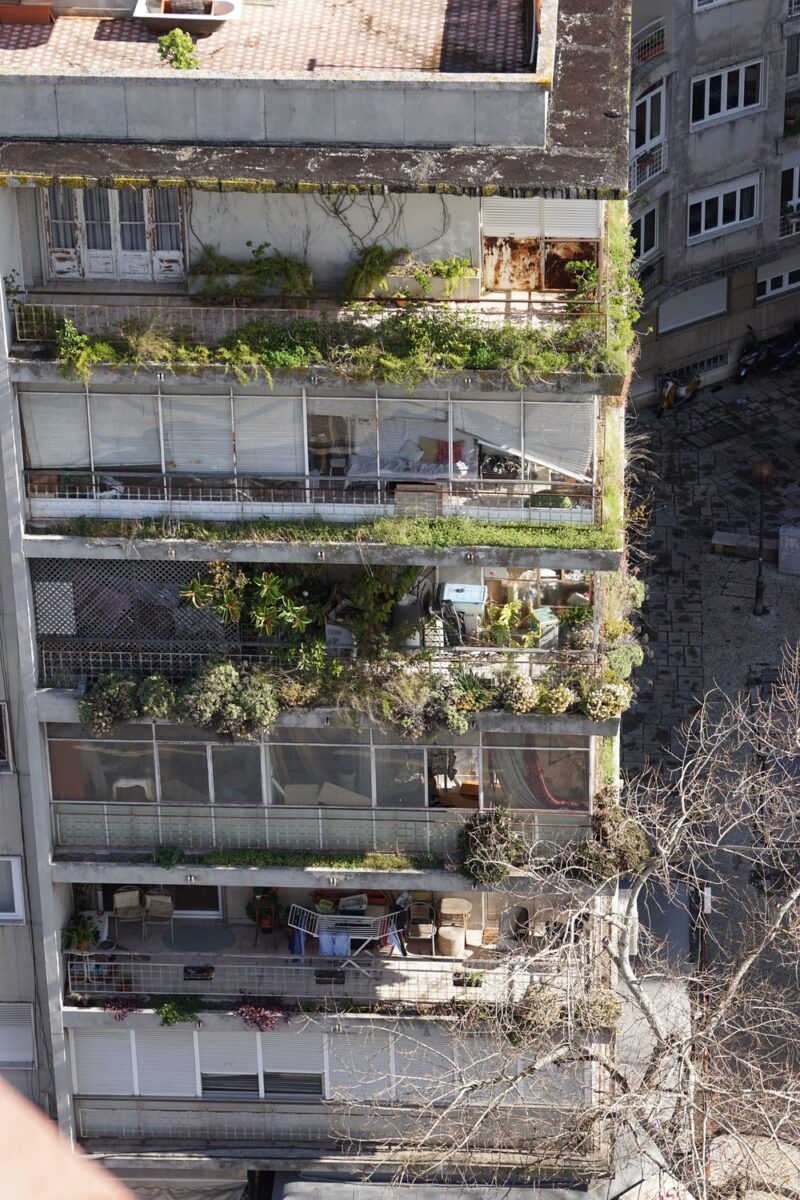
In multi-unit buildings, the condition of the common parts and the management of the condominium affect your property. Before buying, find out whether the condominium has been formally set up, how common matters are managed, whether the façade has been preserved and whether individual interventions are consistent (for example, balconies closed in as enclosed balconies (marquises) or different window frames).
Which constraints and easements affect the property?
These are technical aspects linked to the location. They may seem complex, but they weigh on the operation you intend to carry out.
- Is the property in a historic area? Are there restrictions on the intervention you intend to carry out?
- What do the municipal plans say about the surroundings? A future building opposite may block views or cast shade. Start with the municipal master plan (Plano Diretor Municipal, PDM).
- Are there unlicensed constructions or constructions that are not shown in the documentation? See legalising existing buildings.
- Do the permanent land registry certificate (certidão permanente do registo predial) and the property tax record (caderneta predial) match what exists on site? Discrepancies are common in older buildings.
Gather this information before buying. If you intend to rehabilitate, also see adding value to an existing property.
Does the timing of the purchase matter?
Opportunity depends on timing. The market value of a property in a given period and context is one thing; in another, it will be something else. A good investment requires a plan, and for that plan to be followed.
With more activity in the market, it is important to know what you are buying: many properties hide surprises. To reduce the risk, obtain a technical opinion on the condition of the property, its defects and the feasibility of the intervention.
What if you do not live in Portugal?
Those living abroad have additional matters to deal with: a Portuguese tax identification number (número de identificação fiscal), a bank account, how to sign the deed (escritura) (in person or through a representative) and the tax treatment of the purchase, ownership and sale. These are matters for a lawyer and an accountant, which depend on your situation and change over time; spacelovers analyses the property or the plot of land from a technical point of view, not the legal or tax framework.
What costs does the operation involve besides the price?
Besides the price, there are the taxes and charges on purchase and ownership (such as property transfer tax (IMT), municipal property tax (IMI) and the deed), insurance, design and licensing costs and the works. Ask your accountant to calculate your case.
How can spacelovers help?
spacelovers is an architecture studio in Lisbon: we produce the design, handle the licensing and provide technical assistance during construction. Before the purchase, we can:
- visit the property and assess its state of repair, the visible defects and the consistency between the existing building and the documentation;
- identify the architectural and construction potential and what the intended transformation requires in terms of procedure at the municipal council (Câmara Municipal);
- compare, from a technical point of view, the properties you have visited.
This is part of our technical analysis before buying. We are not an estate agency, we do not provide financial, legal or tax advice and we do not promise returns. Decisions and contracts belong to the Client, who hires the lawyer, the accountant and the building contractor directly. If the aim is to renovate, see apartment renovations and building rehabilitation.
Frequently asked questions
Is a degraded property always a bad deal?
No. It can offer a margin, but only if the cost of the works, the design and the procedures is known before the purchase and added to the price.
When should I ask for a technical assessment?
Before signing the promissory contract (contrato-promessa), when you can still negotiate or walk away. After that, any discovery costs more.
Is the price per m² enough to compare properties?
No. Two properties with the same price per m² may have very different states of repair, documentary situations and construction costs.
Does a good investment guarantee income?
No. Property carries risks and no criterion eliminates uncertainty. The criteria above help you decide with more information.
This content is for information only and does not constitute legal advice. For your specific situation, legal advice should be provided by a qualified professional in the field.
Photo: spacelovers.